Intrathecal Pain Pump
This implantable device delivers pain medication directly to the spinal fluid, providing effective relief for severe chronic pain with fewer systemic side effects.
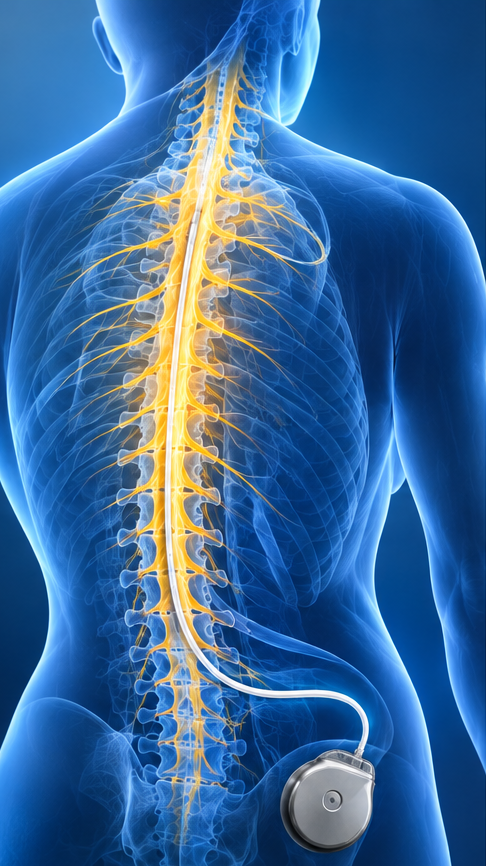
Targeted Pain Relief, Delivered Where It’s Needed
For some people living with persistent, severe pain, traditional oral medications may not provide enough relief or may cause side effects. An intrathecal pain pump is an implantable system designed to deliver controlled amounts of medication directly into the fluid surrounding the spinal cord.
By delivering medication closer to the nervous system, the intrathecal pain pump (or ITP) can provide targeted pain control using monitored doses that may be smaller than those taken by mouth.
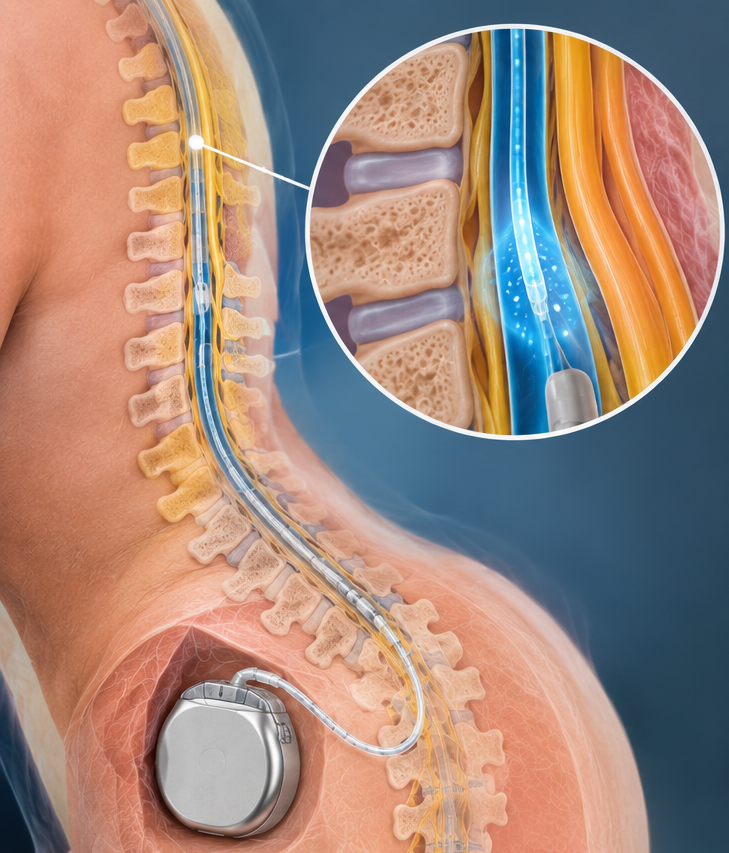
How Does an Intrathecal Pain Pump Work?
The system consists of two main components: a small pump placed beneath the skin and a thin catheter that travels from the pump to the spine. The pump stores medication and delivers precise amounts of medication based on your agreed upon treatment plan. The ITP can be programmed and adjusted over time based on changes in your treatment progress.
Before implantation, typically patients undergo a medication trial to test the response and efficacy. If a pump is then recommended, the device is then implanted in an outpatient procedure. After implantation, the medication and pump settings are monitored and adjusted as needed. The pump contains a medication reservoir that requires periodic refills, done in the office.

Who May Benefit?
An Intrathecal pain pump may be considered for carefully selected patients with severe, long-term pain that has not responded to other treatments.
Some conditions it may be considered for include but are not limited to:
- Chronic back pain
- Persistent post-surgical pain
- Cancer related pain
- Nerve related pain
- Complex chronic pain syndromes
Your physician will review your medical history, previous treatments, pain patterns, and treatment goals to determine whether an intrathecal pain pump may be appropriate for you.
Learn More
Discover how an intrathecal pain pump may help manage chronic pain.
Watch this short video to learn how the pump works, how it is implanted, and how it may help improve quality of life for individuals living with chronic pain.